




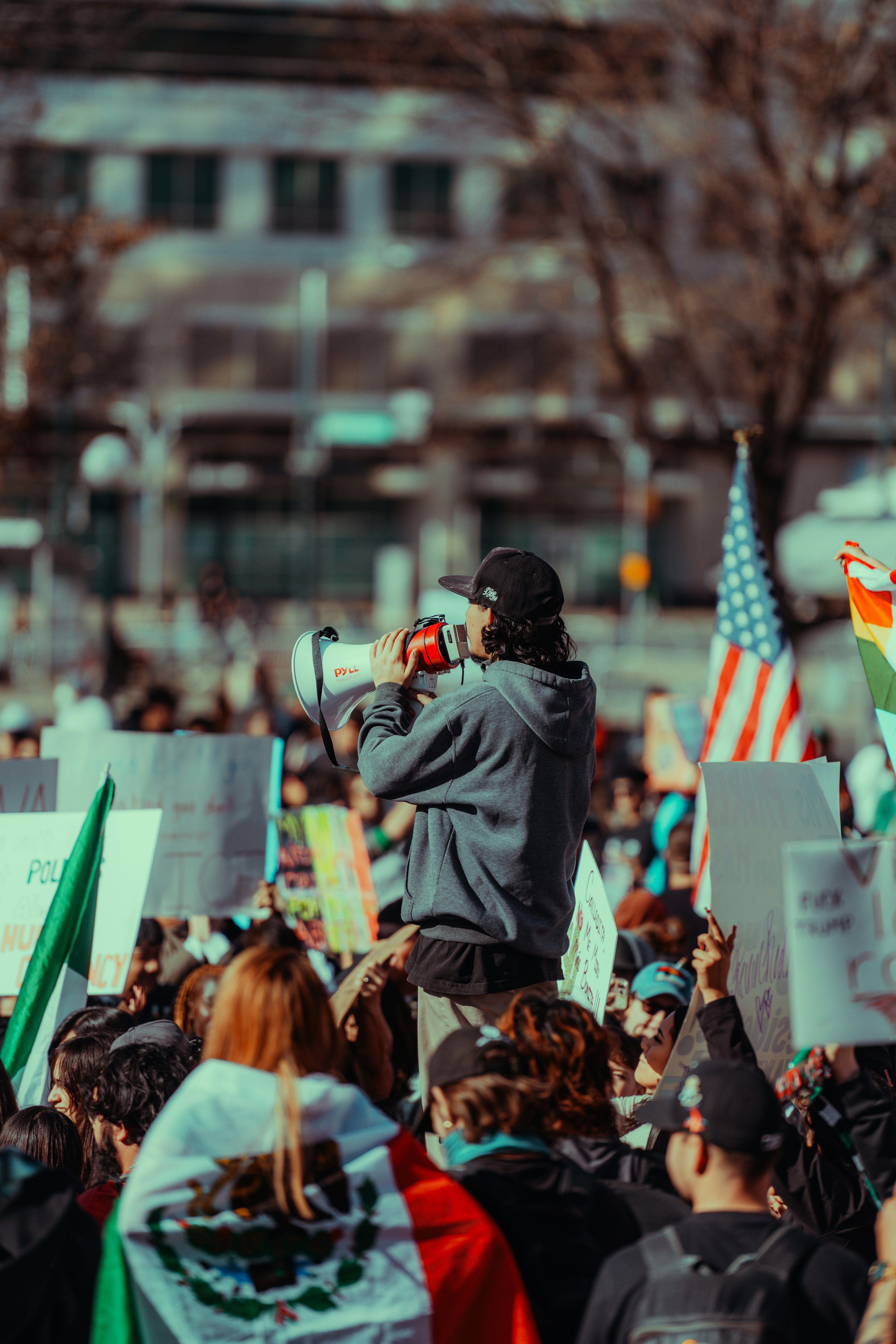

When the ICE raids hit Downtown LA in early June, the reaction from young people was immediate: we hit the streets. We held signs, blasted chants through megaphones, and surrounded detention centers with water, snacks, and solidarity. It was righteous, urgent, and necessary. But now, weeks later, the protests have evolved. Gen Z organizers across Los Angeles are asking the harder question: what happens next?
Because the truth is, we’ve protested before. But if LA really calls itself a “sanctuary city,” why were hundreds of our neighbors still vulnerable to masked ICE agents, surprise raids, and detention without legal support? For Gen Z, the answer is clear: protest is only the beginning. Policy has to follow.
The Illusion of “Sanctuary”
On paper, Los Angeles is a sanctuary city. That means local law enforcement is supposed to avoid cooperation with federal immigration agencies. But in practice, those protections have been shaky at best, and meaningless at worst.
Multiple reports from community legal groups found that local data systems, like LAPD databases, were still being used by ICE to identify and track undocumented residents. Detainees from the June raids were often arrested far from any federal property– sometimes on their way to work, school, or even court.
This gap between policy and protection is exactly where Gen Z has stepped in.
From Marching to Meetings
Youth organizers didn’t go home after the marches ended– they went to City Hall. In late June, members of Immigrant Youth LA, Jovenes Sin Fronteras, and Youth Justice Now drafted a formal platform demanding stronger protections for undocumented Angelenos. They’re calling it the “Real Sanctuary Agenda.”
Here’s what they’re pushing for:
- An end to all data-sharing between LAPD and ICE, including traffic citations and license plate records
- Funding for legal defense and bond assistance for detained community members
- City-funded sanctuary hubs in every council district to offer rapid-response support, legal clinics, and safe lodging
- Transparency laws requiring public disclosure any time ICE operates within city limits
- A youth council with policy power, not just photo ops
Gen Z isn’t satisfied with symbolism anymore. We’re demanding structure and accountability.
Gen-Z Is Taking the Lead
What makes this movement different is who’s at the table. The majority of people behind these efforts aren’t lobbyists or seasoned politicians– they’re students, many of them undocumented themselves. Some are organizing between classes and jobs. Others are children of deportees. And all of them are deeply rooted in the neighborhoods ICE raided unexpectedly.
This generation has seen the empty slogans. We know that “diversity” doesn’t equal safety, and that “sanctuary” doesn’t mean much if your family member still gets picked up on the way to work.
What Comes Next
Right now, the Real Sanctuary Agenda is gaining momentum. Several LA City Council members have voiced interest, and youth organizers are planning to testify in upcoming budget meetings this month. They’re also hosting teach-ins across libraries and parks to help neighbors understand their rights and how to defend them.
The goal, ultimately, is not just to protect people in moments of crisis, but to build a city that stops putting them in crisis to begin with.
Final Thought
Protest is powerful, but policy is permanent. And Gen Z in LA is done treating sanctuary as a label. We want it to be a living, breathing promise written into law, resourced by the city, and shaped by the people who need it most.
Because safety isn’t something we’re asking for anymore. It’s something we’re building, together.
