




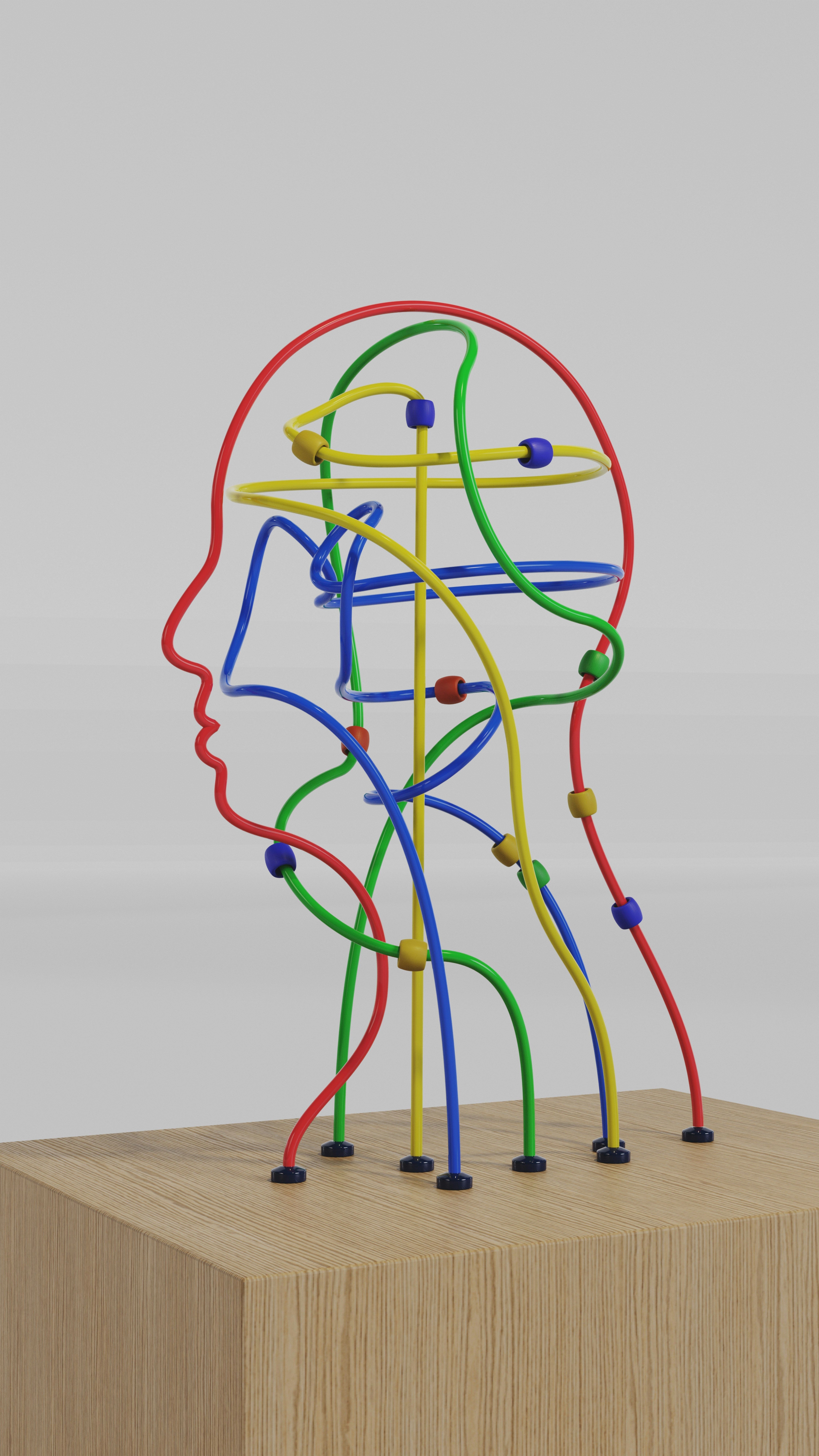

If you’ve ever walked away from a conversation feeling emotionally drained, or ended your day feeling numb despite not having done anything “physically” strenuous, you’re not alone. Last month, we explored compassion fatigue and vicarious trauma; how caring deeply for others can take a toll on our mental health. This month, we’re digging deeper into the why behind that exhaustion and how to recover from it. The answer lies in our nervous system.
What Is Nervous System Dysregulation?
Think of your nervous system as your body’s internal alarm and recovery system. When it senses danger or stress (even emotional or secondhand), it activates a response: fight, flight, freeze, or fawn. This system is essential for survival, but when it’s constantly activated, as it often is for caregivers, helpers, and emotionally available people, it becomes overworked and dysregulated. You might notice symptoms like feeling “on edge” or easily overwhelmed; emotional numbness or detachment; brain fog or chronic fatigue; trouble sleeping or relaxing, even when you want to. This doesn’t mean you’re weak or burned out beyond repair. It means your nervous system needs support, and with the right tools, you can feel more grounded, energized, and emotionally steady.
The “Window of Tolerance”
Psychologists use the term window of tolerance to describe the range of emotional intensity we can comfortably handle. When we’re within our window, we feel balanced and can think clearly. When we’re outside it, we may go into hyperarousal (anxious, reactive) or hypoarousal (numb, shut down). Helping others can push us outside our window, especially if we don’t build in time to come back to center.
Tools for Regulating Your Nervous System
Here are practical strategies to restore balance and expand your capacity to support others, without losing yourself in the process.
Grounding Through the Senses
When you’re overwhelmed or emotionally flooded, your mind tends to race — jumping between the past, the future, or imagined worst-case scenarios. In these moments, grounding through the senses is one of the most effective ways to bring yourself back to the present. Being present means noticing what’s happening right now — what you see, hear,
feel — instead of getting swept up in thoughts or memories. It’s about anchoring yourself in your immediate environment so your nervous system can shift out of fight-or-flight mode. Your five senses are powerful tools for doing just that.
Try pressing your feet into the floor or holding something cold, like an ice cube, and focusing on the sensation. One of the most effective ways to bring your nervous system back into balance is to ground yourself using your senses. The “5-4-3-2-1” technique is a simple exercise that gently brings your awareness to the present moment. Name five things you can see, four things you can feel, three you can hear, two you can smell, and one you can taste—focusing on each sensation to anchor yourself in the present moment.
Calming Through Breath
When you're under stress, your breathing becomes short and shallow, which signals to your brain that something is wrong, keeping your body in a state of high alert. You can begin to regulate your nervous system by intentionally shifting your breath. Try this: inhale slowly through your nose for a count of four, letting your belly expand gently. Then exhale through your mouth for a count of six, allowing your shoulders to drop as you do. The longer exhale tells your body, “It’s okay now. You’re safe.” Repeat this breathing pattern for one or two minutes, and you’ll often notice a shift — more calm, more clarity, less tension.
Digital Boundaries
Constant exposure to emotionally intense media, even if it's through well-meaning news or advocacy — can overwhelm your nervous system. Create boundaries that protect your emotional bandwidth. This might mean checking the news only once or twice a day, muting accounts that spike your anxiety, or intentionally taking a “media break” on the weekend. The goal isn’t to ignore the world, it’s to stay emotionally available without becoming emotionally consumed.
Final Thoughts
You’re not broken for feeling tired. You’re not weak for needing rest. In a world that constantly asks us to show up — for others, for work, for the next crisis — knowing how to regulate your nervous system is not a luxury. It’s survival. And it’s the key to showing up sustainably, with compassion and resilience.
Mariam Chohan is a clinical psychologist practicing in Maryland. She holds a Doctor of Psychology (PsyD) degree and is a board-certified behavior analyst. As a Pakistani-American Muslim, she brings a culturally informed perspective to her work, specializing in evidence-based approaches to mental health including a focus on intergenerational trauma. Her practice focuses on promoting holistic well-being and fostering meaningful change in diverse populations. To inquire about services or schedule an appointment, please contact Mariam at mariam.chohan@gmail.com.
