




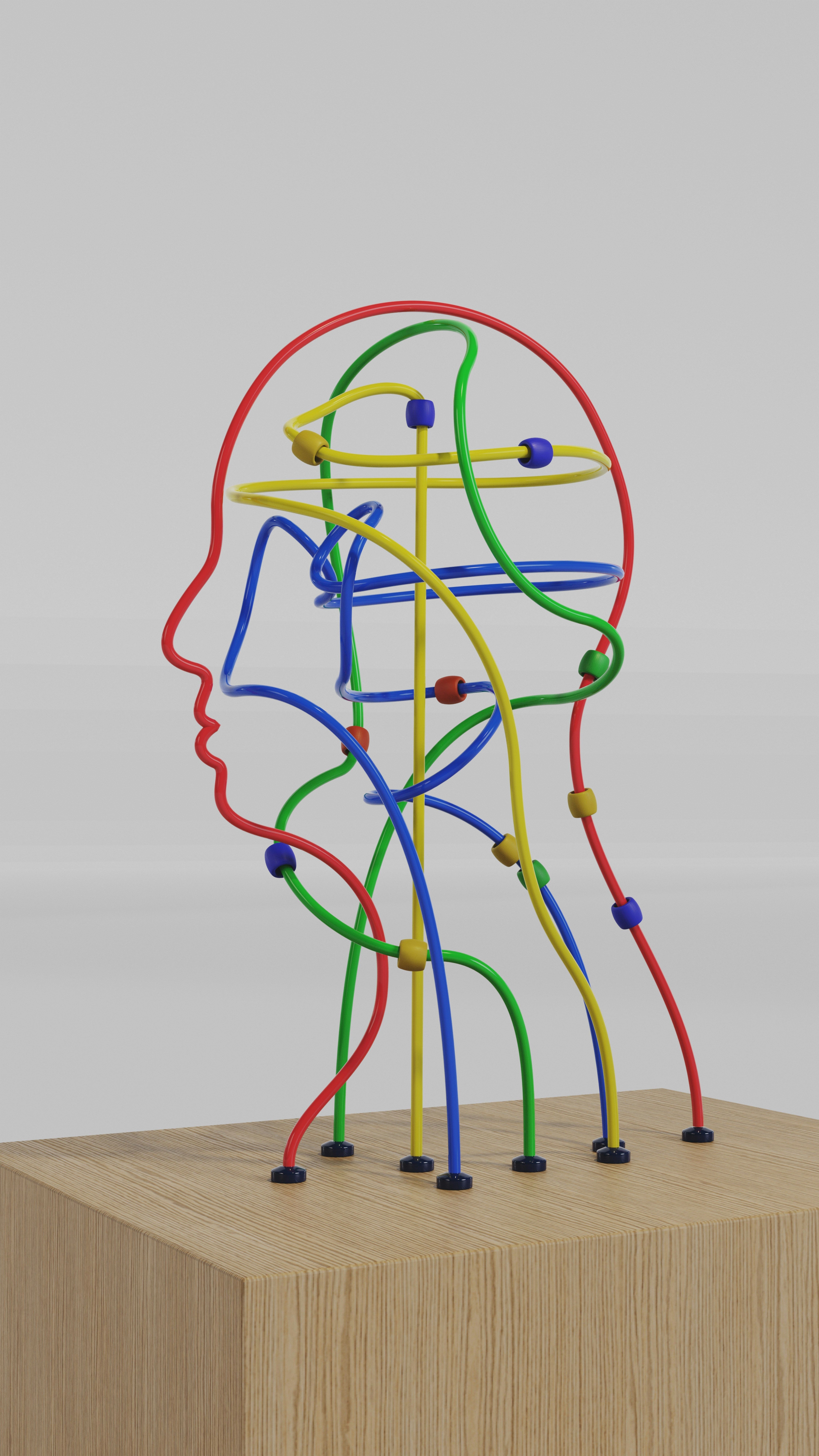

Every time we scroll through the news or open our social media feeds, we’re met with images of devastation—bombings, refugee camps, starving children, families torn apart by war. For many Muslim Americans, especially those with roots in Palestine, Sudan, Afghanistan, or other conflict zones, these stories aren’t just news. They feel personal.
We are told that caring is part of our faith. The Prophet Muhammad ﷺ said, “The believers are like one body: when one part suffers, the whole body responds with fever and sleeplessness.” But what happens when the suffering doesn’t stop? What happens when we feel that pain so often that our hearts begin to shut down?
Compassion fatigue is emotional exhaustion that happens when we care deeply—maybe too deeply—for too long. It doesn’t mean you’re a bad person or that your heart is weak. It means your emotional cup is overflowing.
Signs include:
- Feeling numb or emotionally drained
- Avoiding the news or social media to protect yourself
- Feeling hopeless or helpless, like nothing you do will make a difference
- Guilt for needing space when others are suffering
Vicarious trauma is the emotional and psychological impact of being exposed to another person’s trauma—especially when that trauma is intense, graphic, or deeply personal. You don’t have to witness it in person to be affected. In fact, just seeing disturbing images or hearing traumatic stories online or in conversation can leave a lasting emotional mark. This is the hidden cost of compassion fatigue: when our empathy and concern for others quietly take a toll on our own well-being.
If you’ve experienced things like:
- Watched videos of bombings or injured children
- Scrolled past endless images of grieving families
- Felt consumed by stories of war, occupation, or displacement —you may be carrying emotional wounds secondhand.
Vicarious trauma can leave you feeling:
- Anxious or emotionally overwhelmed
- Detached from joy or connection
- Hopeless about the future
- Easily triggered by reminders of the trauma
Here are strategies backed by research that can help reduce the emotional toll of compassion fatigue and vicarious trauma:
- Name What You’re Feeling
Labeling emotions like “sadness,” “anger,” or “overwhelm” helps reduce their intensity. This is called affect labeling in psychology—and it helps the brain process emotions instead of getting stuck in them.
2. Practice Grounding Techniques
When distress feels overwhelming, use grounding tools to reconnect with the present:
- Splash cold water on your face
- Slowly name 5 things you see, 4 you can touch, 3 you hear, 2 you smell, 1 you taste
- Take 10 deep, slow belly breaths
These techniques calm the nervous system and are especially useful after exposure to disturbing content.
3. Set Boundaries on Media
Studies show that repeated exposure to traumatic content—especially visual—can lead to emotional numbing, distress, and insomnia. Try:
- Scheduling short check-ins with news (e.g., 15 mins/day)
- Taking social media breaks or muting triggering content
- Following accounts that share hopeful, healing stories too
4. Stay Connected to Others
Connection is a protective factor against trauma. Join a support group, attend community gatherings, or reach out to a friend. Feeling isolated makes symptoms worse—while shared support promotes resilience.
5. Engage in Meaningful Action
Doing something—no matter how small—can restore your sense of purpose. Whether it’s donating, writing a letter to your representative, or making heartfelt du’a, action counters helplessness.
6. Incorporate Faith-Based Coping
Research on religious coping shows that turning to prayer, dhikr, and Qur’an can help reduce anxiety and provide emotional grounding. These practices remind us that healing comes through Allah—and we are never alone in our pain.
7. Consider Therapy
Therapists trained in trauma-informed care can help you process what you’re carrying. Many Muslims worry therapy isn’t “for them”—but in truth, therapy is simply a tool. You don’t need to wait until you’re in crisis to seek help.
You don’t have to carry the weight of the world to prove that you care. Feeling overwhelmed doesn’t mean you’re failing—it means you’re human. Compassion is powerful, but it needs rest to be sustainable. Taking care of your own mental and emotional health allows you to show up with more clarity, strength, and purpose.
Mariam Chohan is a clinical psychologist practicing in Maryland. She holds a Doctor of Psychology (PsyD) degree and is a board-certified behavior analyst. As a Pakistani-American Muslim, she brings a culturally informed perspective to her work, specializing in evidence-based approaches to mental health including a focus on intergenerational trauma. Her practice focuses on promoting holistic well-being and fostering meaningful change in diverse populations. To inquire about services or schedule an appointment, please contact Mariam at mariam.chohan@gmail.com.
