




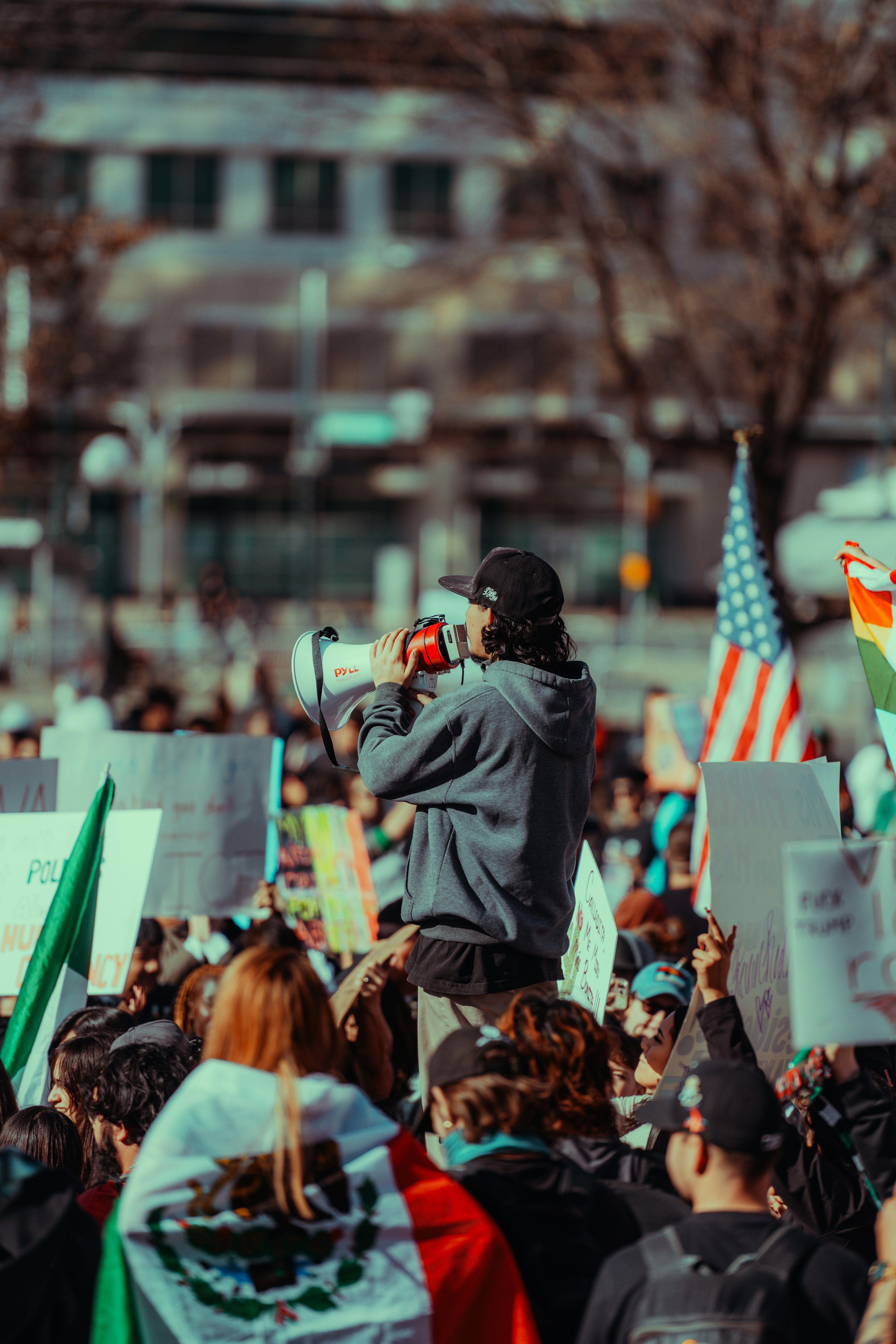

If you only saw the headlines, you’d think Los Angeles was collapsing. “ICE sweeps detain hundreds,” “National Guard deployed to LA,” “Downtown locked down.” The national media painted LA as a warzone, a city in crisis. But I live here, and I know better. The raids happened, the fear was real, and the trauma is ongoing—but the story they missed is this: Gen Z didn’t panic. We organized.
In early June, Immigration and Customs Enforcement launched a series of raids in downtown LA, detaining over 400 people in a matter of days. The majority of the arrests happened within a few concentrated blocks near the Civic Center and Federal Building, yet the entire city was portrayed as being under siege. Friends from other states texted to ask if I was safe, assuming LA was in chaos. But in most neighborhoods, daily life continued. Kids went to school in Boyle Heights. Cafés opened in Echo Park. Metro buses ran through South LA. This dissonance - between what the media portrayed and what people here experienced - was surreal.
But while much of the city functioned as usual, the communities targeted by ICE felt the pressure instantly. It didn’t matter if you were blocks or miles away from the raids—if you’re undocumented, if your parents are immigrants, or if your community has lived under the threat of deportation your whole life, then you felt the weight of it. And for Gen Z in LA, the response wasn’t fear. It was action.
Within hours, young people took charge. High school students walked out. DACA recipients livestreamed updates from outside detention centers. Youth collectives coordinated mutual aid drop-offs and built “Know Your Rights” kits in multiple languages. WhatsApp threads and Google Docs moved faster than press releases. While many adults were still processing what was happening, Gen Z had already activated—because we’ve lived through this before. We’re the generation raised on ICE checkpoints, Muslim bans, deportations under both political parties. We weren’t surprised. We were ready.
What made this moment even more powerful was its timing. Just a week earlier, youth organizers across the country led the historic No Kings Day protests - a mass mobilization against authoritarianism and the systems that uphold violence at home and abroad. In LA, students filled the streets with chants for Palestine and immigrant justice. We danced, painted murals, prayed, and protested side by side, united across faiths, races, and histories. So when ICE came into our city the following week, we knew exactly what was happening, and what it demanded from us. The ICE raids weren’t an isolated crisis; they were a continuation of the same state violence we had been organizing against all along.
Now, as the news cycle moves on, the organizing hasn’t stopped. Gen Z collectives in LA are demanding real sanctuary policies that eliminate all local cooperation with ICE. They’re transforming churches, mosques, and synagogues into safe spaces for undocumented communities. They’re planning summer teach-ins on abolition, immigration policy, and protest safety. And they’re creating art that keeps this story alive - murals, zines, and music that speak to both pain and resistance.
What the rest of the country saw as chaos, we experienced as clarity. It reminded us who we are: the generation that refuses to be silent. We’ve been underestimated and dismissed - but we keep showing up. For each other. For our families. For a future where no one is ripped away in the dark.
So no, LA didn’t fall apart. LA showed the world what youth-led resistance looks like. And Gen Z made it clear: no kings, no cages, no fear. We’re still here. And we’re not going anywhere.
