




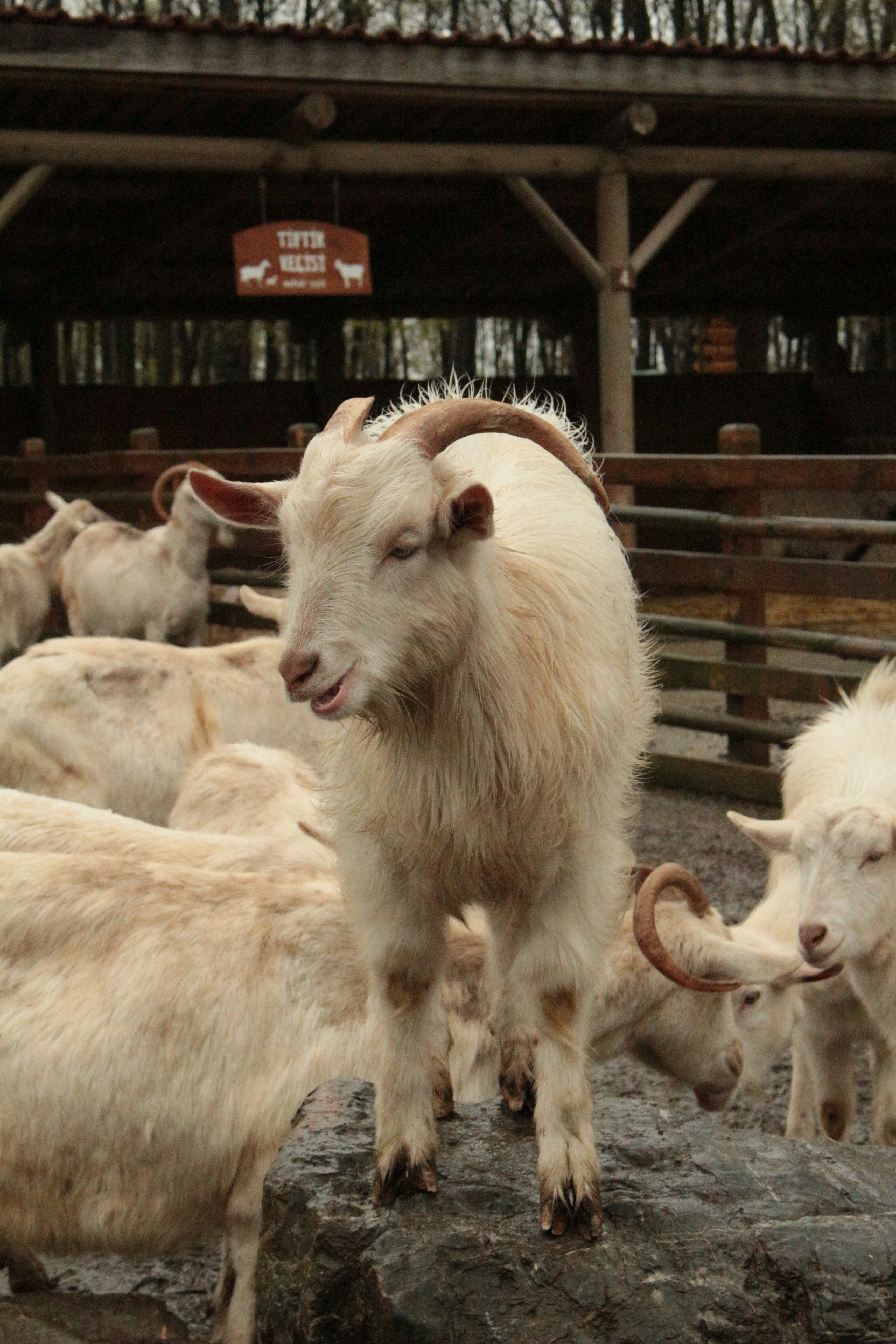

Muslims throughout the world will celebrate this month the act of sacrifice that Prophet Abraham was inspired to do when he saw in his vision that he was to sacrifice his son Ishmael as an act of devotion to God, whereas God was testing him for his devotion and commitment only.
Both the Bible and the Qur’an relate this story but somewhat differently. The Bible tells the story with respect to Issac and Abraham did not inform Isaac of his vision to sacrifice. The Qur’an implies that it was Ishmael who was informed of the vision to sacrifice him by Abraham and was ask for his opinion on it before proceeding. The Qur’an says that Ishmael accepted the implication, urged his father to remain steady and promised to his father that he will be patient through this ordeal. In the end God sends a goat (ram in the Bible) and asked Abraham to fulfil his dream with the goat as the sacrificial animal.
Sacrifice has a religious connotation from its practice in rituals such as slaughtering of certain animals during Hajj in Makkah and Eidul Adha rituals by Muslims all over the globe. But the Qur’an is explicit that God is not interested in the sacrifice itself but rather the devotion and commitment to faith is what is paramount. Sacrifice also means to forgo self-interest and give preference to the interests and wellbeing of others as an act of kindness, social cohesion and maintaining peace and order in society. When we stop at a red light in traffic, share a meal with a neighbor or better still with stranger, when we donate our time and resources to benefit others – all are examples of sacrifices that we do on a daily or periodic basis. As a result, the order that prevails (less accidents at traffic intersections), mutual satisfaction that is gained (for sharing bread) and upliftment of those who are less fortunate that is achieved (fulfilling unmet needs) are the direct results of such sacrifices.
Sacrifice also implies a sense of gratitude and a sense of humility in a world mired with inequity and injustice. Small and large acts of sacrifice enable individuals, communities and nations to fulfil the central tenet of our shared humanity that we are in in together and that we are accountable to God for our collective wellbeing. Establishing a just society as God’s representative on this earth is the paramount interest and reminder of any form of sacrifice that we do individually and collectively. As the Qur’an says, “Indeed God has given you abundance – so devote yourself (to God) and sacrifice!(108:1-2)” Though this two verses is generally understood to be addressed to Prophet Mohammad as encouragement, it can be also be generalized for all of us – that God’s blessing of abundance is all around us and our collective sense of gratitude and humility should propel us to overcome our arrogance and ego and commit to serve others. Only through intentional and widespread sacrifices, in its truest sense, we can change our world that is mired in conflict, inequity and injustice unlike any other times in human history!
So, on this occasion of Eidul Adha, perhaps we should revisit our commitment to sacrifice, both in ritual as well as in intent. For most of our readers who live in urban societies, sacrificing an animal to satisfy the ritual is traditional but does not convey the same intensity and sacrifice as was experienced by people at the time of prophet where livestock, trade and agriculture were the major sources of wealth. Sacrificing an animal was tantamount to losing an animal you have raised by your own hand, had in intimate relationship when rode the animal to journey, milked it for nutrition, used as transport for your merchandise, secured a sense of pride, beauty, ownership – all of that were sacrificed. Now a days when we go to a farm and sacrifice, we feel none of that and hence one might ask the question, is scarifying the best way to fulfil this ritual or should we explore better means. One way would be to donate an equal amount to a less fortunate person or serve others with an equivalent amount of time to educate, to beautify, to heal and so on.
At MyLLife we are asking you to donate $200 per one share of Jabiha for a cow and we will collect these over during month (before May 27) and donate to immigrant families who need resources more than meat to pay for education, rent, healthcare and food. Hope you will give it serious consideration!
Click here to donate!
