




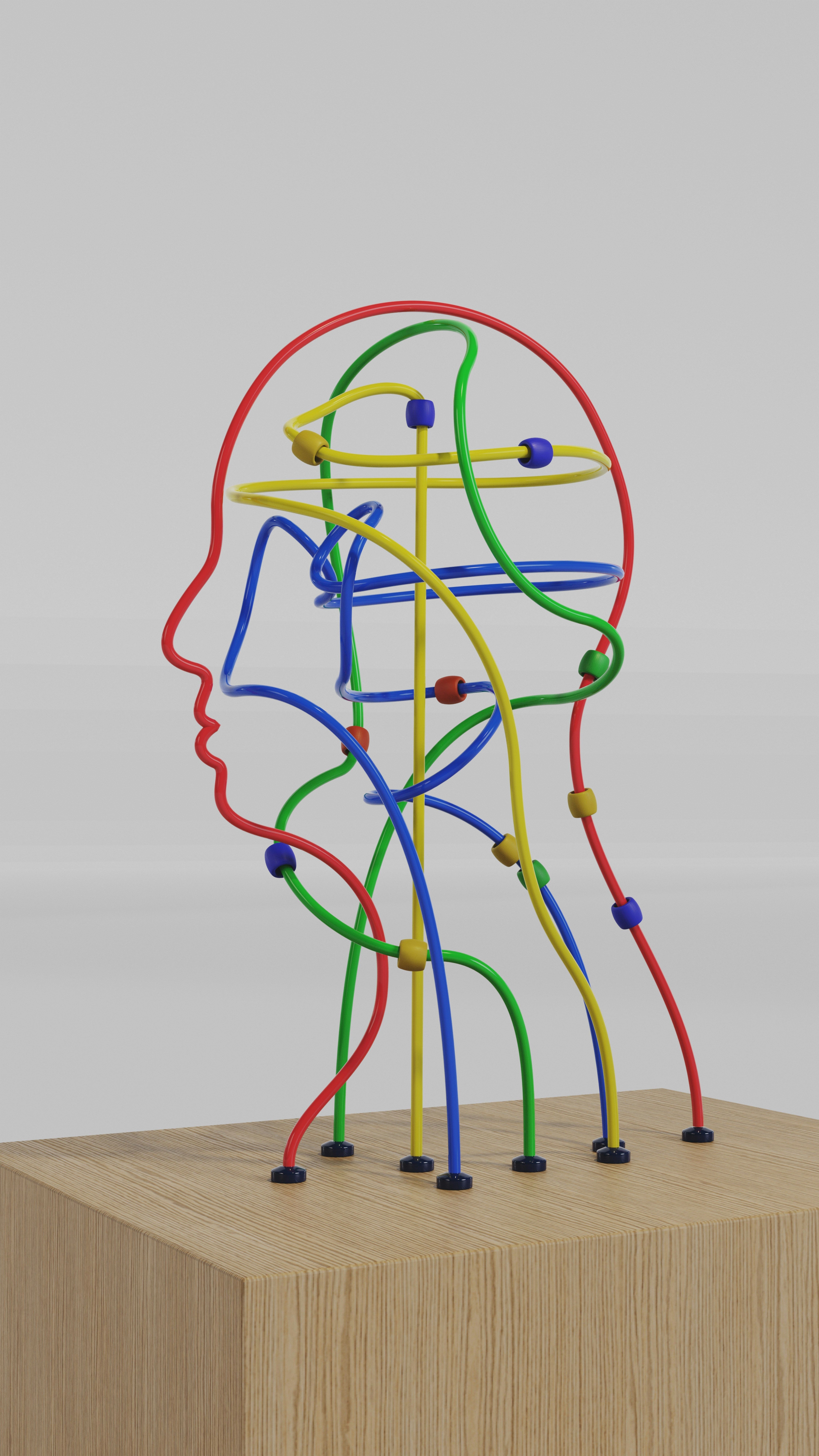

Last month, we explored how boundaries protect our emotional energy and create space for self-respect. Boundaries are clarity in motion. This month builds on that foundation by exploring what fills that space once it is protected: emotional intelligence and regulation, the quiet forces that bring calm, focus, and success.
We often think of wealth as something tangible. Yet emotional wealth may be the most valuable kind we can accumulate. It is the steady composure that lets us stay centered under pressure, the self-knowledge that keeps us from taking things personally, and the calm that helps us solve problems with clarity. Emotional wealth does not show up in a paycheck, but its returns are unmistakable: peace, stability, and healthier relationships.
And when we live with that steadiness, we also teach it. Whether we realize it or not, the emotional tone we set at home becomes the climate our children grow within. When they witness calm after conflict or reflection after frustration, they absorb those emotional blueprints more powerfully than any lesson we could explain.
Emotional intelligence, or EQ, is the ability to recognize, understand, and manage our own emotions while responding effectively to others. Studies repeatedly show that people with higher EQ experience greater job satisfaction, stronger leadership outcomes, and lower stress. Around 90 percent of top performers across industries score high in emotional intelligence, and EQ accounts for more than half of job performance in many roles.
Emotional intelligence does not erase emotion; it organizes it. Neuroscience shows that emotions are processed before logic. Our limbic system reacts first, and the prefrontal cortex follows. When we learn to regulate that initial surge, we reclaim clarity. Calm becomes a form of strategic thinking.
Calm is not passivity; it is precision. When emotions rise, our nervous systems tune to the energy around us. One grounded person can steady an entire conversation, household, or workplace. That is why leaders who stay composed in crisis often inspire confidence; they give others permission to exhale.
Children experience this contagion too. When adults regulate rather than react, they model the idea that emotions can be felt without losing control. Over time, that quiet modeling becomes their inner voice. They learn that calm is available, even when the world feels loud.
Emotional regulation allows us to choose rather than react. It is the skill behind taking a breath before responding, hearing criticism without collapse, and staying curious during conflict. This composure does not suppress emotion; it channels it toward resolution. The calm we bring to a room or a relationship often determines the clarity we get back.
A calm mind sees possibilities that a reactive one cannot. Emotional regulation improves decision quality, creativity, and resilience. It supports physical health by lowering stress reactivity and mental clutter. In professional life, emotional steadiness builds credibility and trust. In personal life, it nurtures communication and connection.
These abilities are often mislabeled as "soft skills," but they are the infrastructure of success. They determine how effectively we lead, collaborate, and sustain momentum when circumstances become difficult. And in families, they shape how children learn to handle stress, disagreement, and self-worth. Our composure becomes their template for confidence.
Emotional wealth grows through small, consistent practices that strengthen awareness and control. The first step is pausing before responding. Even a brief moment of stillness widens your options and allows your emotions to settle before you speak. The second step is naming what you feel. Labeling emotions reduces their intensity and helps the brain process them more effectively. The third step is reframing emotional triggers by asking what the feeling is trying to communicate rather than resisting it. Finally, grounding the body through breath or movement sends a powerful signal of safety to the mind.
Each act of awareness is a deposit into emotional savings. Over time, the balance becomes resilience; both ours and our children’s.
When we cultivate emotional intelligence, we expand our capacity for calm. We stop reacting to every surge of stress and begin steering through it with purpose. That steadiness is contagious; it shapes workplaces, relationships, and homes alike.
Calm is not the absence of emotion; it is the mastery of it. Emotional wealth is the peace that endures when success, challenge, and change all arrive at once, and it may be the most enduring inheritance we pass down.
Mariam Chohan is a clinical psychologist practicing in Maryland. She holds a Doctor of Psychology (PsyD) degree and is a board-certified behavior analyst. As a Pakistani-American Muslim, she brings a culturally informed perspective to her work, specializing in evidence-based approaches to mental health including a focus on intergenerational trauma. Her practice focuses on promoting holistic well-being and fostering meaningful change in diverse populations. To inquire about services or schedule an appointment, please contact Mariam at mariam.chohan@gmail.com.
