




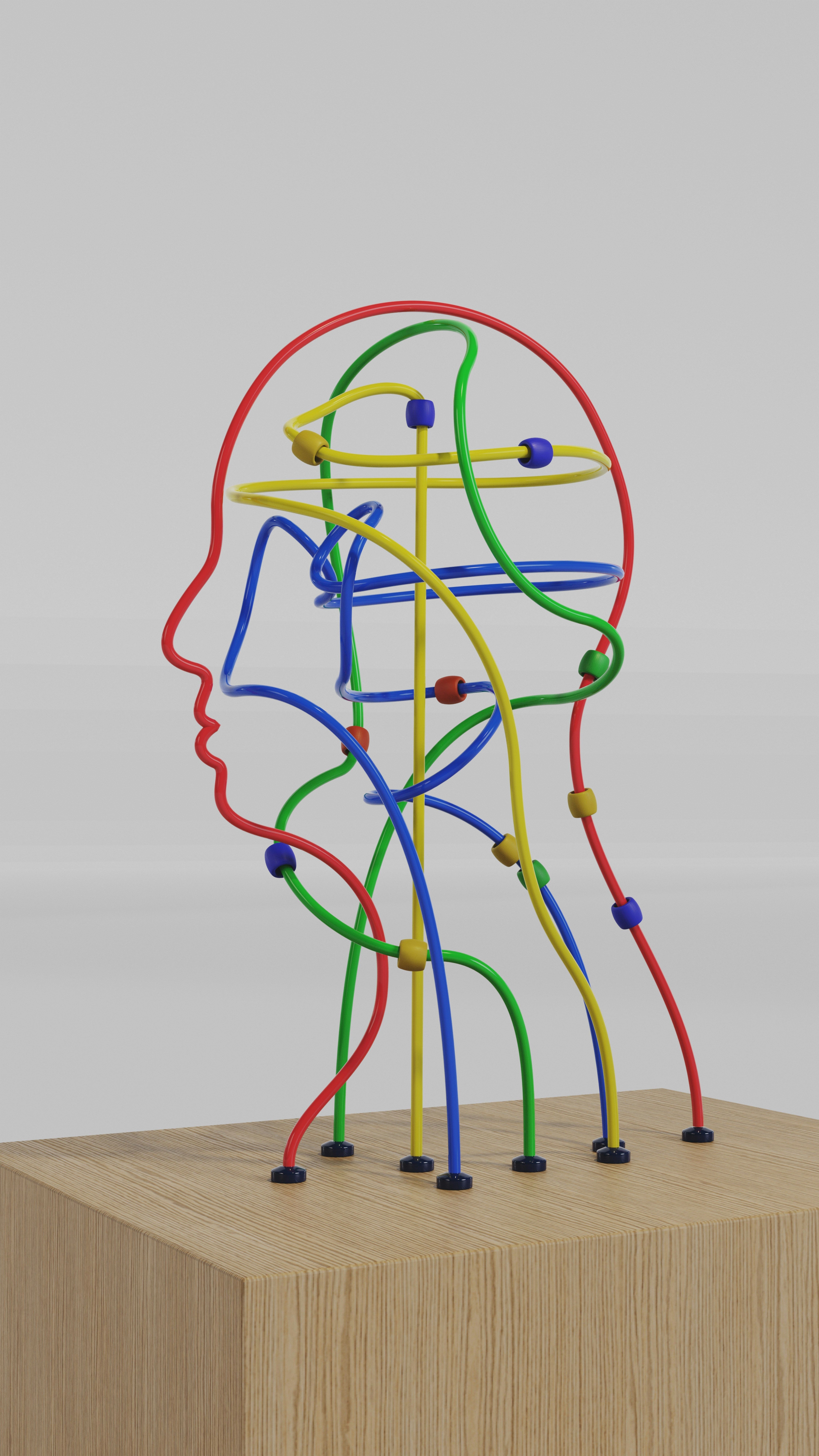

Last month we talked about nervous system regulation; this month, let’s focus on how to prevent overload in the first place: boundaries.
Why Boundaries Matter for the Nervous System
Think of boundaries as the invisible fence around your energy. Without them, the world will happily eat up every ounce of your time, attention, and compassion, and your nervous system will pay the price. Constant demands like work emails, family needs, social media notifications, and the endless news cycle act like small stressors piling on top of each other. On their own, each one is manageable. Together, they can push you straight into survival mode: frazzled, irritable, or totally shut down.
When boundaries are missing altogether, the consequences add up quickly. You might find yourself exhausted but unable to rest, resentful toward people you actually care about, or saying yes to commitments you instantly regret. Over time, the lack of boundaries can lead to chronic stress, burnout, difficulty concentrating, and even physical symptoms like tension headaches or digestive issues. Relationships also take a hit—without boundaries, frustration builds silently until it spills over in ways that damage trust and closeness.
On the other hand, when you set boundaries, you create breathing room. You give your nervous system space to rest, reset, and come back into balance. The benefits are noticeable: more patience with loved ones, a clearer head at work, and a stronger ability to enjoy the present moment instead of constantly feeling behind. Boundaries create the conditions for joy and connection, because you’re no longer running on fumes.
Different Kinds of Boundaries
Not all boundaries look the same. Some are quiet, some are loud, but all are protective.
- Physical boundaries: Resting when your body is tired, saying no to that third volunteer commitment, or choosing to leave a crowded event early.
- Emotional boundaries: Remembering that you can care about someone without carrying their feelings as your own (hard for helpers, I know).
- Time boundaries: Scheduling pauses between meetings or saying no to cramming your day so tight you forget to breathe.
- Digital boundaries: Turning off notifications, deleting the email app from your phone, or muting accounts that spike your anxiety.
- Relational boundaries: Saying “I can listen for 10 minutes, but then I need to recharge” instead of nodding along while secretly screaming inside.
How to Actually Set Them (Without Feeling Like a Villain)
Let’s be honest: setting boundaries can feel awkward. But most people don’t need a dissertation on why you can’t do something; they just need clarity.
- Tune in to your body: Notice when you’re clenching your jaw, sighing heavily, or dreading that one phone call. Those are boundary signals.
- Start small: Try setting a time boundary, like no emails after 8 pm, before tackling the bigger ones.
- Use kind, clear language: “I can’t talk right now, but let’s connect tomorrow” works a lot better than ghosting.
- Pair it with regulation tools: A few slow breaths before and after boundary-setting can keep you grounded and calm.
Boundaries Are Not Walls
People sometimes think boundaries mean being cold or selfish. Not true. Boundaries aren’t walls. They are more like gates. They don’t keep everything out; they allow what nourishes you in and keep what drains you at a safe distance.
Here’s the bigger picture: the purpose of boundaries isn’t to push people away. It’s to make relationships healthier. Boundaries protect your nervous system so that you can show up fully, listen more openly, and connect with others without burning out. When your needs are respected, you have the capacity to respect others’ needs too. That balance is what builds trust and closeness.
Final Thoughts
Your nervous system doesn’t just need tools for recovery after stress. It also needs protection from being flooded in the first place. Boundaries are how you give it that protection. And the end goal isn’t just less stress, it’s stronger, healthier relationships.
There’s so much more that could be said about boundaries, but think of this as a brief introduction — a starting point. So this week, try setting just one small boundary. Turn off a notification, block out a half-hour of quiet time, or say no to something you know will push you past your limit. Then notice how your body feels. Chances are, it will thank you. And so will the people who get the best version of you.
