




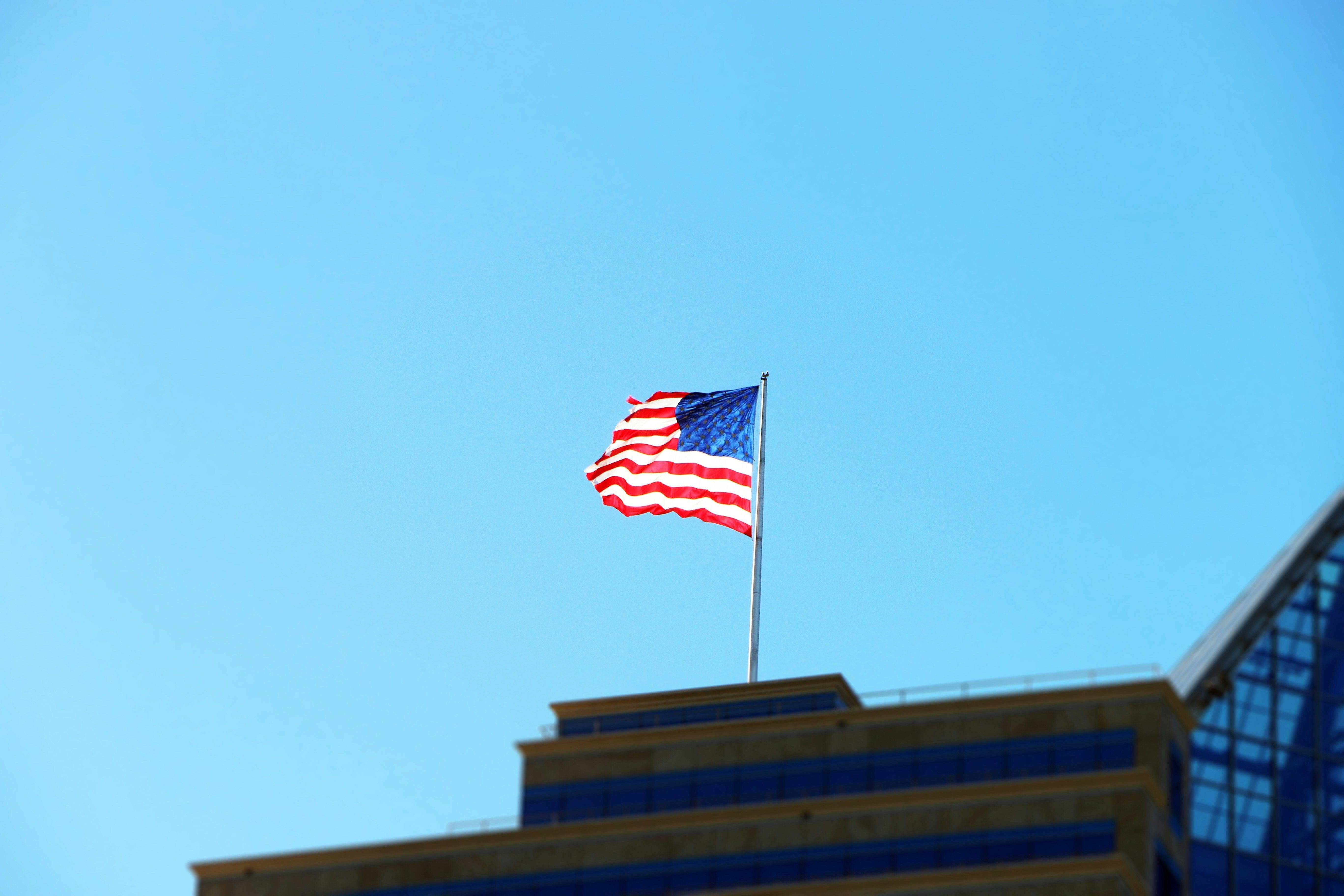

As the world turns, the cycle of violence endures—rebranded, rehearsed, and repeated.
The idea that the United States can start a war simply because it has the power—defying international law and brushing aside ethical and moral standards—runs directly against the teachings of Christ and Moses. The same logic insists that the wrongdoing of a few—terrorists, oppressive regimes, or even an imagined adversary—somehow grants permission to kill countless innocents, topple governments, flout international norms, and ignore basic moral obligations. Across religious traditions, the warning is consistent: Old Testament warns “Thou shalt not murder.” Jesus teaches “turn the other cheek” and “love your enemy.” The Qur’an is equally direct: “Don’t be an aggressor. God does not love aggression.”
And yet we find ourselves facing another unprovoked attack by familiar actors—this time with our own country among them—arriving on the heels of an ongoing genocide. Where are the voices of ordinary citizens, most of whom oppose this kind of escalation? Instead, Congress—elected to represent the citizens, who are the sovereign in a Republic —too often seems trapped in silence and moral haze. Under this administration, what still counts as lawful? How has foreign influence grown so pervasive that it appears to shape our choices more than our principles and values do?
For many Americans, none of these fits with how a democracy is supposed to work. Where is the transparency the public is owed before leaders commit the nation to violence? What legal authority—or moral reasoning—can justify an action that will kill innocents, endanger U.S. service members, and deepen instability in a world already fractured? When a conflict has already taken tens of thousands of lives, including women and children, who will answer for the widening destruction—and for the losses that cannot be repaired?
America’s global power should inspire respect, not dread. Real leadership means siding with the oppressed and restraining violence, not becoming a source of oppression and disorder. The hard lessons of Afghanistan, the Gulf War, and Vietnam still stand: no superpower can control what war unleashes, and no nation is exempt from moral accountability.
It is difficult to avoid the suspicion that cynicism is helping drive this cheapening of human life. Some people may fear scrutiny and prefer distraction to accountability. Others profit from the war economy—along with mass surveillance and the exploitation of workers at home and abroad—and view peace as a threat to their bottom line. Whatever the motive, our war apparatus makes escalation easier, and its echoes linger in congressional corridors where the people’s representatives too often fall silent.
A nation that speaks of faith and decency but abandons truth and justice in practice risks hypocrisy at best—and real harm at worst. God forbid America reaches that point. Citizens can still change course; Minnesota showed what determined public action can achieve, how to protest, organize, mobilize, and cast votes for change, so we can pursue peace and stability—giving everyday people more than a hand-to-mouth existence, and the space to confront the deeper disorder hidden behind corruptions of power, wealth and widening inequality.
May God bless America!
