




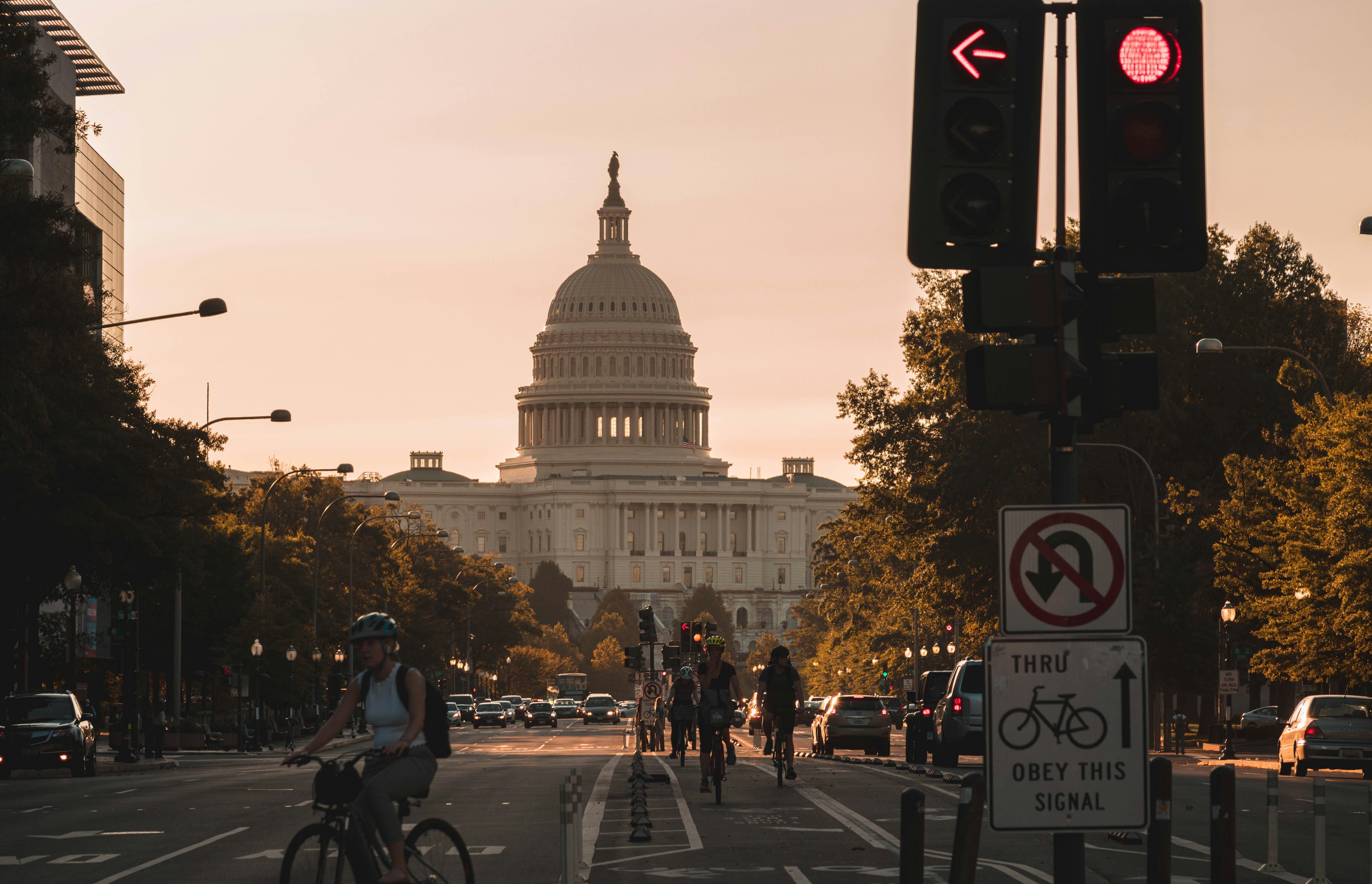

The United States is still the most powerful nation on Earth. That much is beyond dispute. What is far less certain is whether it remains guided by wisdom equal to its power—or whether it has begun to drift, unmoored from the very principles it so often proclaims.
With power comes arrogance, and with affluence comes complacency, a toxic mix that does not have to define a nation, but too often does. Power does not merely enable action; it reshapes perception. It tempts, flatters, and persuades those who hold it that they are not only strong, but right. Affluence deepens the illusion, replacing urgency with comfort and accountability with self-congratulation. Together, they cloud judgment and erode restraint, propelling leaders toward the abuse of power and wealth for short-term, often whimsical gains at the expense of others. In the process, they neglect the moral and ethical frameworks humanity has built through centuries of struggle and sacrifice—frameworks rooted in the enduring imperative to seek truth and advance justice, and reflected across the shared teachings of the world’s great religious traditions, particularly within the Abrahamic faiths. Nations, no less than individuals, can succumb to this quiet but corrosive force.
The American story has long been a struggle between its highest ideals and its most troubling impulses, a tug of war between principle and expedience, between the promise of liberty and the reality of exclusion. A people who fled persecution often became agents of it, as the Pilgrims did when they displaced and devastated Native communities. A republic founded in rebellion against tyranny also tolerated, and ultimately built upon, the most brutal system of slavery in the modern world, even invoking Christian language to defend it. The nation that helped defeat fascism in World War II also introduced atomic destruction on an unprecedented scale. And the country that speaks so passionately of democracy has repeatedly undermined it abroad, including by supporting coups and authoritarian regimes when strategic interests seemed to demand it. In foreign policy as in domestic life, the United States has often chosen power before consistency, and ambition before moral clarity.
This is not hypocrisy as an occasional lapse. It is a pattern.
Today, that pattern demands renewed scrutiny. The gap between what the United States says and what it does is no longer subtle; it is structural. It speaks the language of democracy while undermining it when inconvenient. It invokes human rights while enabling their violation. It calls for peace while supplying the machinery of war.
Nowhere is this dissonance starker than in the United States’ unwavering alignment with Israel. What is often framed as a strategic or historic partnership has become something harder to explain and even harder to question. How does a country of more than 300 million people find its political will so deeply entangled with that of a state of fewer than 10 million, where its war becomes our war and its claims—biblical, political, and territorial—are often taken up as our own? How has the United States delivered more than $300 billion in support while remaining so reluctant to confront the colonial context in which this relationship developed, even though Americans themselves once fought to break free from British rule? And how have we come to a point where our bombs, our machinery, and our intelligence can be used in ways that make us complicit in mass suffering, while our leaders rush to defend foreign officials and, at home, disparage and weaken their own? The questions practically answer themselves: when does support become submission, when does alliance become blind alignment, and when will this end? These are not questions meant to inflame; they are meant to clarify what a democracy owes to its own moral conscience, and to ask whether the scriptures invoked so often in public life are being honored in spirit or merely used as instruments of power.
The instinct, as always, is to look outward—to identify enemies, to assign blame, to reduce complexity into slogans. But the more difficult and necessary task lies inward. What does America believe about itself, and what is it willing to prove through its actions? What enduring values do our history, our struggle and our scripture tell us. Are our ideals universal, or are they contingent - extended when convenient, withheld when costly? Does it truly reject the hierarchies of the past, or do those hierarchies persist, reshaped but intact?
A nation cannot indefinitely claim moral leadership while evading moral accountability. At some point, the tension must resolve, either through honest reckoning or through quiet abandonment of principle. That reckoning will not be comfortable. It will not be unanimous. But it is unavoidable. Democracies do not fail all at once; they erode gradually, as debate gives way to orthodoxy, as questions become suspect, and as power escapes scrutiny.
What is required now is not outrage, but seriousness. Not noise, but purpose. A willingness to confront the past without defensiveness and the present without illusion. A recognition that strength, if it is to mean anything, must include the capacity for self-correction.
Martin Luther King Jr. warned of such moments - moments when conscience demands a stand that is neither safe nor popular. This is such a moment. The question is no longer whether the United States has the power to shape the world. It plainly does.
The question is whether it has the discipline and the courage to restrain itself. This is challenge for the 21st century.
